My Drainage Is Blocked. How Do I Make It Flow?
Water still sitting on your bathroom floor after a bath? Find out what could be blocking your drain, what you can safely try at home, and when it’s time to call a plumber.
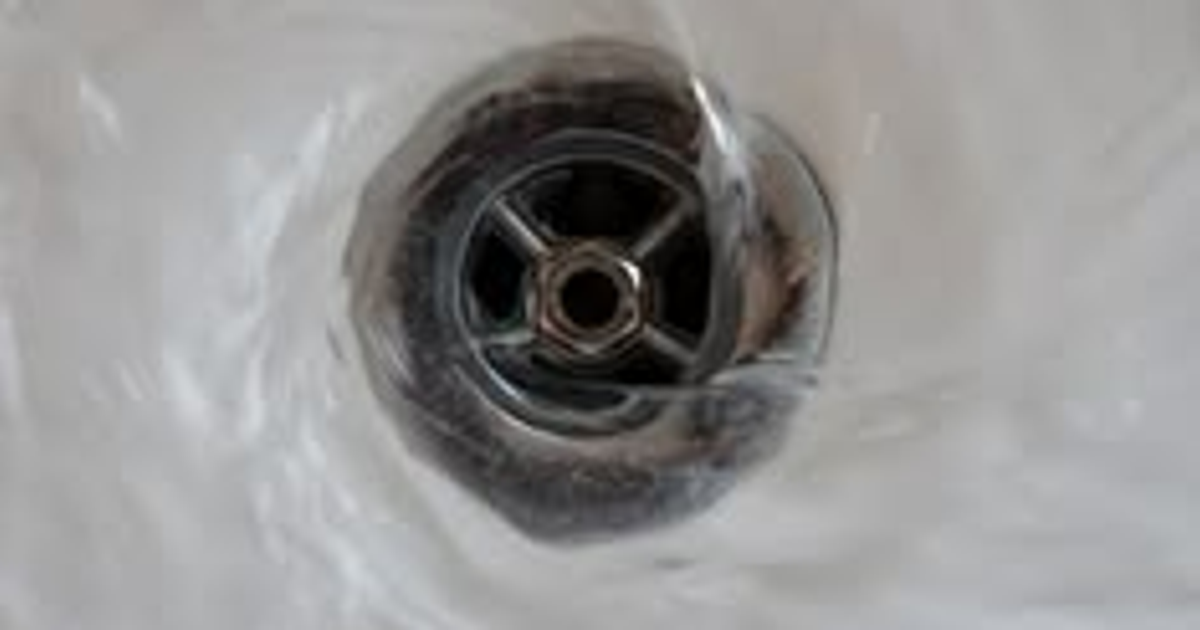
Your bathroom shouldn’t turn into a swimming pool
At first, the water takes a little longer to drain after you bathe. You notice it, but by the time you come back to the bathroom, the floor is clear, so you leave it. Then one morning, the water stays. You use a wiper to push it towards the drain, but it gathers there instead.
Now you’re wondering whether you can sort it out yourself or whether this is another expense to add to the month.
A blocked bathroom drain doesn’t always mean a major repair. Sometimes, hair and dirt have collected just under the cover, where you can remove them. Other times, the blockage is further inside the pipe and needs a plumber. Start with a simple check before buying anything to pour down the drain.
Why is your bathroom floor drain blocked?
Hair and soap are common causes. Hair can get caught inside the drain, while soap leaves a layer that traps more hair and dirt. Over time, this buildup leaves less room for water to pass through.
If you wash or loosen your hair in the bathroom, you may have noticed strands around the drain cover. Some stay on top, while others slip through. So even when the tiles look clean, there may still be hair blocking the opening underneath. A small object, such as a bottle cap, can also stop the flow if it falls into an uncovered drain. That is why it helps to look first. More water will not wash every blockage away.
How to unclog a bathroom floor drain
If you have already poured a chemical drain cleaner into the drain, don’t put your hands or tools into it, and don’t use a plunger. The cleaner may still be trapped in the water and could splash onto you. Follow the instructions on the bottle and tell your plumber what you used.
If you haven’t used a chemical cleaner, start with these steps.
1. Remove the hair and dirt you can see
Put on rubber gloves and clear anything sitting on the drain cover. If the cover is meant to come off, lift it or unscrew it carefully. Use a torch to look inside. Pull out any hair or dirt you can safely reach and put it in a waste bag. Don’t push it further into the pipe. If the cover won’t come off easily, leave it rather than forcing it.
2. Use a drain hair-removal tool if needed
For hair you cannot reach, a small drain hair-removal tool may help. It is a flexible tool that catches hair so you can pull it out.
You can find a drain hair-removal tool on Konga. Check that it suits your drain, follow its instructions and pull it out slowly. Stop if it gets stuck or needs force.
After removing the hair, pour a little warm water into the drain. If it flows away, add a little more to check. If it starts gathering again, stop. Avoid boiling water, which can damage plastic pipes.
3. Try a plunger
A plunger may help if the drain is still slow. Choose one with a rubber cup that can fit tightly over the opening, such as the type sold in this sink and drain plunger set on Jumia Nigeria.
Place it over the drain with enough water to cover the rim of the cup. Press down gently at first, then move the handle up and down without lifting the cup away. After a short attempt, lift it and see whether the water drains.
If the cup cannot fit tightly against the floor, it won’t work well. If a few attempts make no difference, stop. You can find help through Handi rather than keep trying to force the blockage out.
Before ordering a tool, check its size, the seller’s reviews and delivery to your area. A nearby plumbing or hardware shop may also have what you need if you cannot wait for delivery. What if there’s standing water in the bathroom?
Turn off the shower and stop adding more water. If it is bathwater with no chemical cleaner or toilet waste in it, wear gloves and scoop some into a bucket until you can see the drain. Then check for hair or dirt around the opening.
Water coming back up through the drain is different. If flushing the toilet or using the sink makes water rise in the bathroom, the blockage may be further along a pipe they share. Stop using them and call a plumber.
If dirty water containing toilet waste starts coming up through the bathroom drain, stop using the bathroom and call a plumber. Keep away from the water, and get urgent help if the flooding continues. If the water reaches any sockets or electrical appliances, do not touch them.
What should you avoid doing?
It can be tempting to pour in anything that promises to clear the drain quickly. But mixing products can create a more serious problem.
Never mix drain cleaner with bleach, toilet cleaner, vinegar or another cleaning product. The mixture can release dangerous fumes or splash back. If you use a drain cleaner, check that it is suitable for your pipes and follow the label. If it fails, don’t add another product.
Avoid pushing sticks or sharp metal into the drain. They can damage it or push the blockage further down. Baking soda and vinegar are also not a reliable fix for a solid object or a thick clump of hair. Fizzing does not mean the pipe is clear.
And if the water drains today but stops again tomorrow, don’t keep repeating the same treatment. There may still be a blockage inside. When is it time to call a plumber?
Call a plumber when the drain stays blocked after these simple checks, or when the problem keeps returning. Get help sooner if other drains are also blocked, you hear repeated gurgling, notice a strong sewage smell or see water leaking.
If you rent, let your landlord or facility manager know, especially if your neighbours have the same problem. It may involve a pipe shared by several flats.
If you need to arrange the repair yourself, finding a plumber is the next step. Handi can help you find one. Describe what’s happening, add a photo if you can, and compare quotes from vetted professionals. Let them know when the problem started, whether the sink or toilet is also affected, and what you’ve already tried so they have a clearer idea of the problem before coming over. Agree on the work, price and timing before booking.
You can download Handi from the Google Play Store or the App Store. How to prevent another blockage
Keeping hair out of the drain is a good place to start. A drain hair catcher from Girly Essentials sits over a suitable drain opening and catches strands before they go down. Check the fit before buying, and empty it regularly.
After washing or detangling your hair, pick up loose strands and put them in the bin. Clear dirt from the floor before washing the bathroom, rather than sweeping everything towards the drain. Keep the drain cover in place, and avoid tipping mop water full of dirt into it.
If the water starts draining slowly again, check early. You shouldn’t have to finish every bath by trying to clear water from the floor.